
Intensity Variations: Regressions and Progressions
Providing a variety of intensity options supports both safety and effectiveness. You can adjust intensity by:
- Range of motion
Larger movements increase intensity. Smaller movements reduce intensity. - Speed or tempo
Faster movement increases intensity. Slower movement reduces intensity. - Lever length
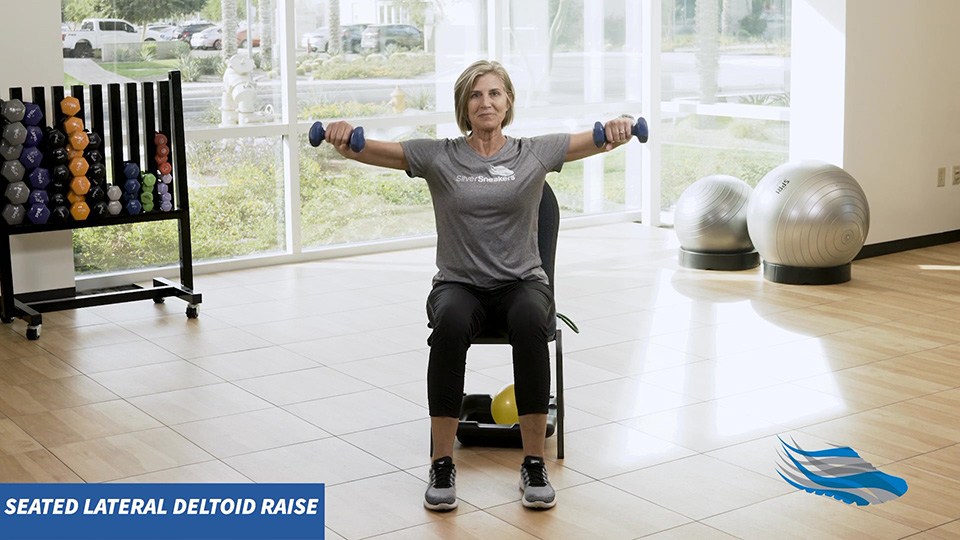
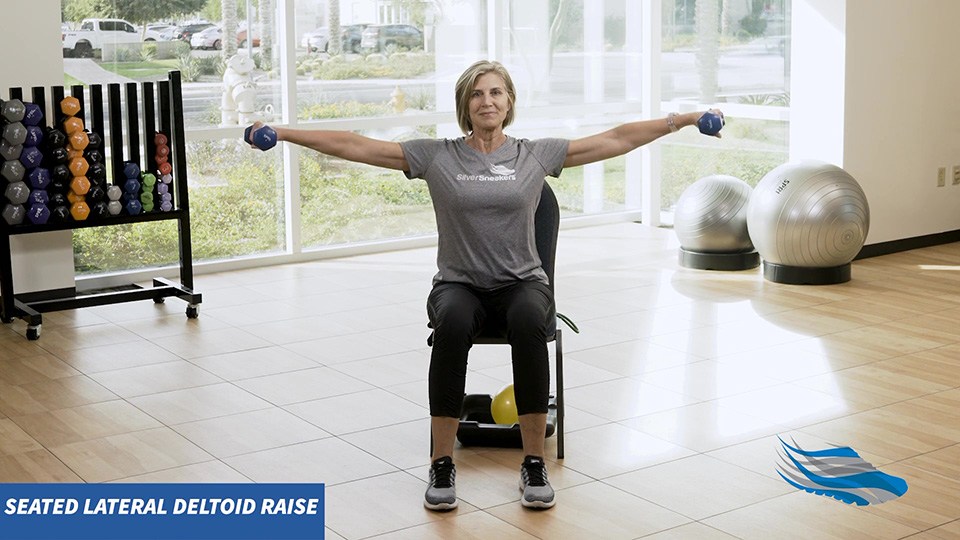
Longer levers require more strength. Shorter levers reduce demand.
Short lever
Long lever
Mirroring
You should teach from the front of the class, facing participants whenever possible. Use mirror cueing so participants can easily follow along. When participants move their right side, you move your left side.
A circle may be used for a specific game or activity when it better supports participation and interaction. However, this format may require participants to turn their heads or bodies to see you, potentially contributing to neck strain or alignment issues. Consider a semi-circle when appropriate to support interaction while improving visibility.
In a circle, cue participants to use the same side of their body as you. For example, everyone uses their right arm, rather than mirror your movements. In a semi-circle, clearly explain whether participants should mirror you or use the same side.
In either setup, position yourself so participants can see and hear instructions without excessive turning of the head or body. Monitor participant comfort and alignment and adjust the setup as needed.
Smooth Transitions
Smooth transitions help maintain safety, flow, and engagement.
Use the Entrance, Action, Exit method:
- Entrance: Introduce the movement
- Action: Perform the movement
- Exit: Transition to the next movement
Clear transitions help participants follow along and feel more confident throughout class.
Adapting for Participation and Engagement
As you lead class, consider how your coaching supports both understanding and engagement.
- Use clear and simple instructions
- Repeat key cues when needed
- Incorporate light engagement such as counting or group responses
- Allow time for participants to process and respond
These strategies may help support attention, confidence, and participation for a wide range of abilities.
Music
Music can support pacing, motivation, and engagement.
- Use music with a consistent tempo
- Select music that is appropriate for your participants
- Familiar or recognizable music may encourage participation and connection
- A slower tempo is often appropriate depending on your class.