From conception to birth, infancy through adulthood, and into advancing years, the nutritional needs of the human body change with the demands imposed upon it. Feeling good and being able to continue doing what brings joy and fulfillment are important reasons to focus on improving eating habits. The goal of healthy aging is not only to increase years of life but also to extend healthy, active years and live life well. Nutrition for optimal aging centers on three goals:
- Improve health.
- Boost function.
- Live life well.
The ideal eating pattern for older adults is very similar to that of the general adult population with a few notable exceptions and considerations. The normal physiological changes of aging results in the body requiring fewer calories while the need for important nutrients remains the same, and in some instances, increases. MyPlate for Older Adults, developed by Tufts University and with support from the AARP Foundation, identifies specific needs, such as:
- Attention to fluid intake.
- Focusing on affordable and easy-to-prepare nutrient rich food.
- Increasing nutrient dense foods, like fruits, vegetables, whole grains and quality proteins.
- Getting regular physical activity.
A diet high in vegetables, fruits, whole grains, beans and legumes, nuts and seeds, poultry, fish and low-fat dairy products results in a positive nutritional status, quality of life and longevity for older adults (Anderson, Harris, Tylavsky, 2011). The MyPlate for Older Adults infographic below provides a visual representation of nutritional recommendations for older adults. The plate is divided into sections based on recommended nutrient intake and includes a separate segment alongside the plate to include fluids such as water, juice and tea.
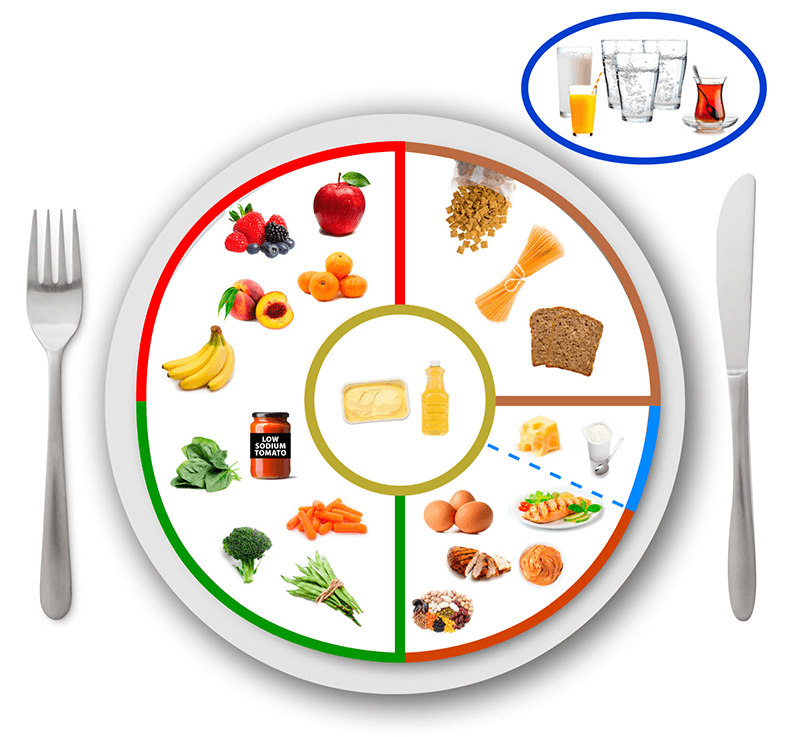
- Vegetables and Fruits: A plate that is half full of vegetables and fruits supports optimal nutrition for healthy aging. A variety of colors is pleasing to the eye and inviting to the palate. Wide ranging colors also provide important phytonutrients. Choose from a variety of colors including red, orange, yellow, dark green, white and purple. Examples include grapes, apples, berries, citrus fruits, tomatoes, cucumbers, colorful peppers, sweet potatoes, cauliflower, onions and broccoli. Be adventurous and try something new!
- Whole Grains: Important nutrients such as fiber and phytonutrients in plant compounds are in whole grains. Examples include brown and wild rice, quinoa, whole wheat, oats, rye, barley, freekeh, buckwheat, bulgur, couscous and corn, including popcorn (just limit the added butter).
- Lean Protein and Dairy: A healthy plate for optimal aging includes a quarter coming from protein sources. Examples include meat sources such as fish and poultry; dairy sources such as Greek yogurt, cottage cheese and eggs; and plant sources such as tofu, beans and legumes, and nuts.
- Healthy Fats: Healthy fats are essential for optimal aging as they play an important role in nutrient absorption and may benefit insulin levels and blood sugar control. Good sources of healthy fats are avocados, nuts and seeds, and olive oil.
- Fluids: Water is the best fluid for a healthy body. Non-caloric fluids such as tea and seltzer or mineral waters may be good choices. Limit sugary sodas, juices and other sugar-sweetened drinks.
In addition to healthy food choices regular exercise is an important component to build a healthy individual no matter what age. The MyPlate for Older Adults graphic, found in the resources section, adds exercise to reinforce the importance of, not just of calories in, but also calories out for optimal aging.
A daily diet filled with nutrient dense foods, limiting added sugars and fats from highly processed foods, along with regular exercise, benefits older adults in many ways, such as:
- Delaying the onset of disease.
- Managing current disease states.
- Minimizing lengths of illnesses and possible hospital stays.
- Improving the social, emotional and psychological dimensions of wellness.
However, potential challenges may prevent individuals from achieving their health goals. Some of these challenges include:
- Use of multiple medications, some which may affect nutrient absorption or have diet-altering side effects.
- Economic challenges such as reduced or limited income, other bills taking priority over food budget or the high cost of nutrient dense foods.
- Changes in mental functioning such as dementia, Alzheimer’s Disease, or other effects on mental performance from disease or use of some medications.
- Physiological changes in smell, taste, chewing, swallowing, digestion and absorption.
- Social isolation that may result from not having transportation or inability to drive, living alone or living far away from social settings.