
Positivity and optimism

The effect of negative thoughts on the brain
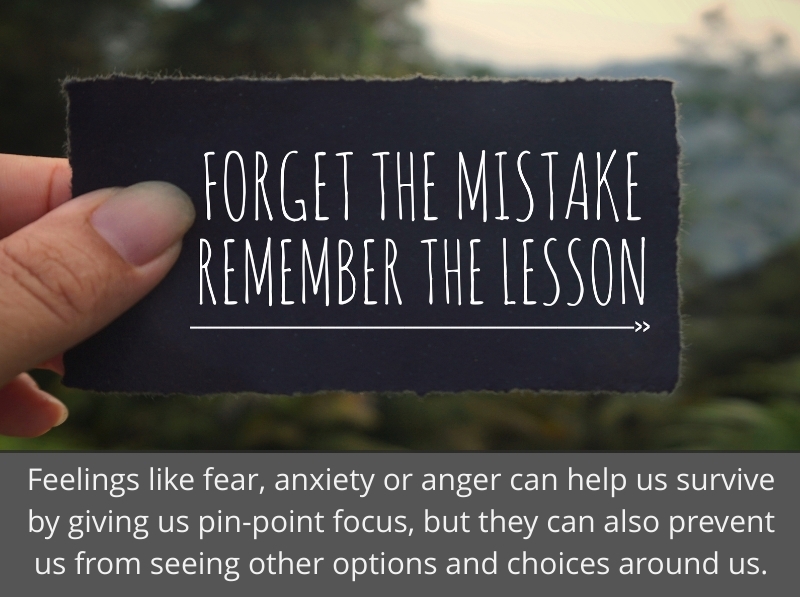
Imagine that a traffic light on your morning drive turns green and you begin to drive through an intersection. Suddenly, a car comes at you from in front, attempting to make a left turn across traffic. At this point, your brain would register fear, initiating a quick physical response. This thought process, which could save your life, gives you a mental push, allowing you to focus on the event at hand — the car coming toward you — so you can extract yourself from that dangerous situation. In other words, negative thoughts and emotions — fear or stress — focus your thoughts and narrow your view so you can react effectively and efficiently to the critical danger in front of you. The brain narrows your scope by shutting off and limiting the options you see around you.
The same phenomena takes place when we experience other difficult and non-life threatening situations. For example, a heated argument with a close friend or family member can consume our attention to the point that it is difficult to think about anything else. In this case, our brain has closed off from the outside world to focus on negative thoughts, emotions and experiences.
The effects of positive thoughts on the brain
When positive emotions are abundant, individuals excel. However, when emotions, such as joy, interest, contentment and love, are in short supply, we can lose a degree of mental freedom and become painfully predictable, stuck in a behavioral rut. The goal of cultivating positivity and positive emotions is to create an atmosphere where individuals can become more creative, resilient and open to possibilities.
Research suggests that positive emotions have psychological and physical benefits:
- They broaden attention and thinking.
- Positive emotions undo the detrimental effects of negativity, breaking the negative feedback loop.
- Those with positive thought patterns are more psychologically resilient, recovering more quickly from negative emotions and events.
- Making a habit of positive expression allows individuals to flourish and triggers “upward spirals toward greater well-being.”
“People should cultivate positive emotions in their own lives and in the lives of those around them, not just because doing so makes them feel good in the moment, but also because doing so transforms people for the better and sets them on paths toward flourishing and healthy longevity."
Fredrickson, 2005
Positive thinking and health
Having an optimistic view on life — an expectation that good things will happen — might help us live longer. A recent Harvard study found that over an eight-year period, women who were optimistic had significantly reduced risk of death from several major illnesses, including cancer, stroke, heart disease, infection and respiratory disease, compared to women who were more pessimistic. In this study, optimism and positive thinking were “broadly and robustly associated with a lower risk of mortality.” In fact, their findings show that “optimism plays an important role in health and longevity, further supporting the possibility that optimism could be a novel target for future research on prevention and intervention strategies aimed at improving public health” (Kim, et al., 2016).
Many of our public health and medical efforts are focused on reducing the risk factors for disease. Evidence is mounting to prove that practicing positive thinking is associated with healthier lifestyle behaviors and more powerful coping mechanisms.
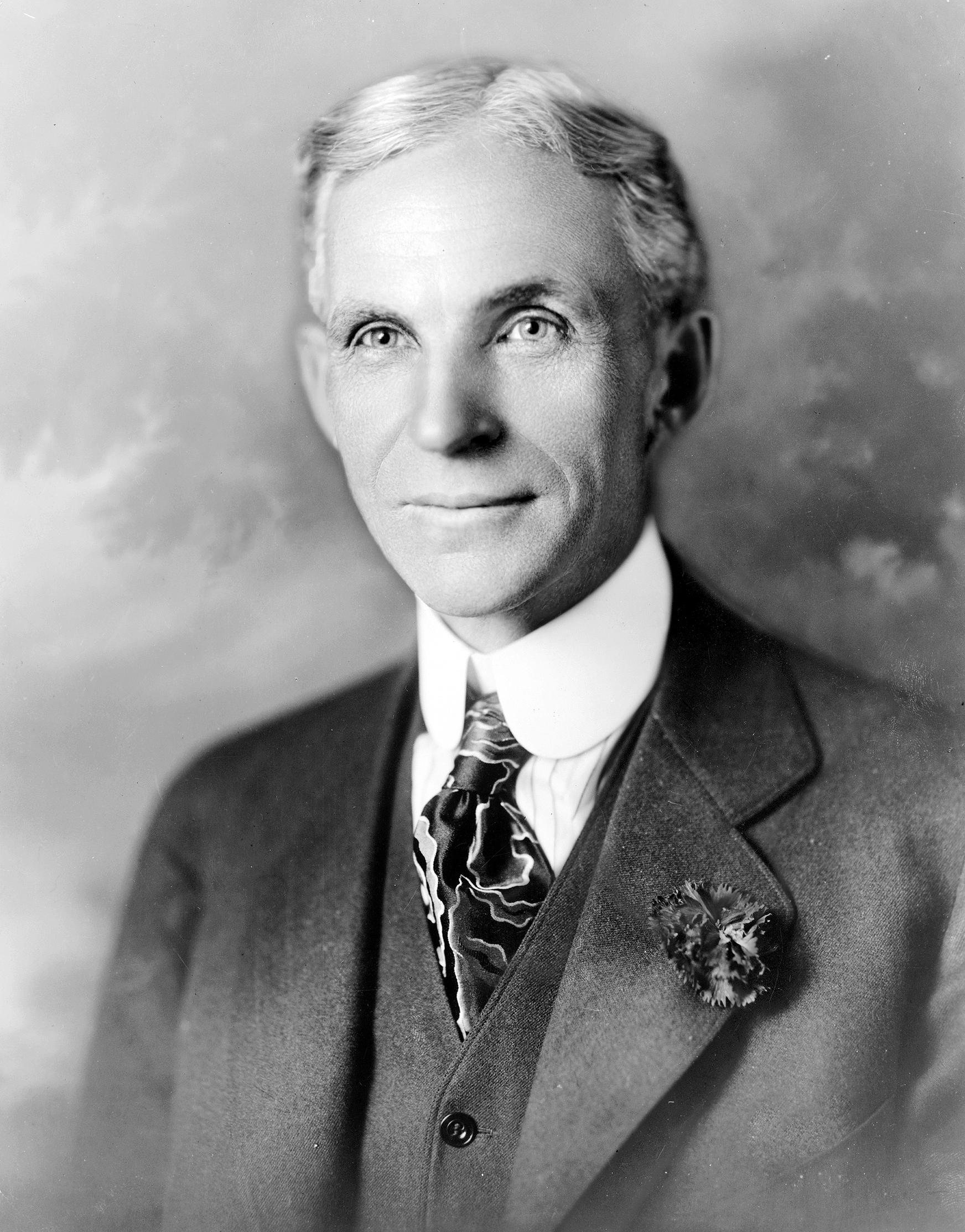
“Whether you believe you can do a thing or not, you are right.”
Henry Ford
Our mindset is a critical element of our adaptability. If we can change our negative perceptions, we have the potential to be more in control as we manage stressful situations. Positive thinking and optimism allow us to look for solutions, whereas negative thinking highlights problems and obstacles.
If we learn to develop positive thinking skills, we can benefit greatly from acquiring a more optimistic outlook. One of the most important actions we can take to move toward positivity is to focus on our inner monologue, paying attention to any negative self-talk. Combat negative thinking with phrases like: “I can,” “I will” and “I’ll do my best.” We can boost self-image by refusing to dwell on any negative perceptions about ourselves. Instead, we can make a mental list of some of our best attributes and accomplishments.
Positive thinking is not just a feel-good term, even though there is value in simply experiencing happiness. Also, it is not necessarily about ignoring or avoiding everything negative. A positive frame of mind can reduce your stress level, help you feel better about yourself or your current situation, and improve your overall mood. Periods of positive emotion can be a catalyst that allows us to develop skills that help us cope more effectively with our life experiences, as well as giving us the tools for a longer, stronger and healthier life.
Happiness

Smiles are a human signal that is understood across cultural boundaries, but did you know that smiling while speaking on the phone makes you sound happier and more pleasant? It may be true that no one can see your smile, but they can hear it. Surprisingly, according to a small study from cognitive science researchers, there is a strong possibility that when you smiled on the phone, the person on the other end of the call heard it and mimicked your expression (Arias, Belin, & Aucouturier, 2018). So, not only can we “hear” a smile, it’s contagious.
If we make the effort to smile when we are feeling unhappy or when we have a less-than-perfect day, the effect can be uplifting. We naturally smile when we are feeling happy, but the converse is also true. Putting on a smile can boost mood and trigger feelings of happiness and contentment. When you are sick, tired or simply not feeling your best, putting on a smile can trick your brain into happiness by causing a release of neuropeptides that assist in fighting stress. The feel-good neurotransmitters — dopamine, endorphins and serotonin — are released as well, elevating your mood and lowering your heart rate and blood pressure, even boosting the immune system.
Often, when we focus our minds on positive things, it shakes us out of negative thought patterns that can overwhelm us and take the joy out of life. Looking for the positive in difficult situations is challenging, but this effort can be worthwhile and can have a tremendous impact on our emotional well-being.
Gratitude
The word gratitude is derived from the Latin word gratus, which means pleasing, thankful or gratefulness. Practically speaking, gratitude is a thankful appreciation for something good, whether tangible or intangible, that is received. The practice of gratitude acknowledges the goodness in life.
One critical element of gratitude is the understanding that the source of the good things we receive is at least partially external, coming from outside oneself. We receive blessings, at least some of the time, from others. In this way, gratitude can help us connect to something greater than ourselves as individuals, whether it is a connection with other people, nature or a higher power.

Much of our time and energy is spent pursuing things we currently don’t have. Gratitude reverses our priorities to help us appreciate the people and things we do.
Wong & Brown, 2017
According to researchers at The Greater Good Science Center at UC Berkeley, gratitude may also benefit those with medical and psychological challenges. For example, one study found that more grateful cardiac patients reported less fatigue, better sleep and lower levels of cellular inflammation. Another study found that patients with heart failure that kept a gratitude journal for eight weeks had reduced signs of inflammation and reported being more grateful. Several studies have found that more grateful people experience less depression and are more resilient following traumatic events (Allen, 2018).
Here are some ways to cultivate gratitude and make it a regular part of your life:
- Write thank-you notes.
Expressing your gratitude by writing and sending a personal thank-you note can nurture relationships and make both the sender and receiver happier. Express your appreciation in written form at least once a month. You can even write a thank-you letter to yourself.
- Give someone a mental thank you.
Gratitude helps even if you don’t share it. You can give yourself an attitude boost by mentally thanking someone who has done something nice for you.
- Count your blessings in a gratitude journal.
Make a habit of writing down some of the things for which you are grateful each day or even once a week. It can be helpful to pick a regular time to express your gratitude in writing, taking a few minutes to reflect on the positive things in your life. Be as specific as possible, thinking about the sensations and feeling you enjoyed when good things happened to you.
- Pray.
Religious individuals can use prayer to cultivate gratefulness.
- Accentuate the positive.
It can be beneficial to take a few moments of the day to focus on the positive aspects of life. Set aside a few moments during the day to focus on an event, person or thing for which you are grateful.
Journaling – stress journal
A stress journal can be a useful tool as we learn to cope with stress. Keeping a stress journal or diary can help us identify the sources of stress and give insight into how we react to common stressors. This process can also help us identify the levels of pressure at which we work best, allowing us to maximize the positive performance enhancements the stress response can bring to our bodies and minds.
Keeping a simple stress journal can enhance our awareness in several different ways. A stress journal can bring more insight by:
- Identifying the cause or triggers of stress.
- Identifying the symptoms of stress overload.
- Identifying our reactions to stress.
- Gathering information that can allow us to develop better coping strategies.
The use of a stress diary does not have to be time consuming. Just minutes a day can yield results that bring great value. Consistent use of a stress journal will bring focus to situations that cause stress in our lives and help us understand which stress management tools might be the most beneficial.
After using your stress journal daily for a few weeks, take some time to analyze the information. Build an action plan to control the stressors that bring stress into your life on a consistent basis. Your plan might include:
- Implementing more planning and preparation time into your day.
- Avoiding procrastination issues.
- Making improvements to your environment.
- Making positive lifestyle changes such as improving your diet or changing exercise behaviors.
The investment of a small amount of time can yield valuable results. Stress journals can identify areas in our lives that need to be addressed and help us see opportunities for growth. Anyone can try this self-reflective exercise. All you need is a pencil and paper and 10 to 15 minutes a day. Identifying causes of stress in concrete terms and finding patterns is a productive way to begin to cope with stress.
Giving back – volunteerism

Volunteers can make a difference in the lives of others, but lending a helping hand can also benefit your health and help you manage stress. The benefits of volunteering go well beyond the positive feeling we get from helping others. Researchers have found that, along with the warm glow we feel after giving our time to a cause or charitable organization, volunteers experience a boost in self-esteem and increased trust in others. According to the Mayo Clinic, volunteering “leads to lower rates of depression, especially for individuals 65 and older.”
There are physical benefits associated with helping others. In a study on volunteerism and stress, researchers found that volunteers experienced an increase in the hormone oxytocin, which had the effect of decreasing stress levels in participants (Poulin & Holman, 2013). Helping others can also decrease blood pressure (Sneed & Cohen, 2013). Interestingly, in addition to the physical benefits of volunteering, older adults experienced greater increases in life satisfaction and more marked positive changes in their perceived health as a result of giving their time to a worthy cause.
Volunteers have more social interactions, which can prevent social isolation and help seniors combat feelings of loneliness. Volunteering gives a sense of purpose and meaning in life. Research on the subject has not found any significant difference in the types of volunteering, so any kind of helpful act can create benefits.
Can you create volunteer opportunities in your class for your SilverSneakers participants? It can be as easy as asking a class member to greet new participants or recruiting individuals to assist with a social event. Providing your SilverSneakers members with opportunities to lend a hand can give them purpose, increase social interaction and support improved wellness.