Selecting the appropriate weight or resistance is essential to building strength. When starting a strength training program, the weight should not be so heavy that a person feels uncomfortable or discouraged. But it is also important that the weight provide an appropriate overload to result in strength gains.
There are several factors that will affect what a participant chooses for resistance:
Tool to be used (hand weights vs. tubing)
Experience with exercise (new vs. experienced)
Presence of disease
Management of a chronic condition
Injury or pain management
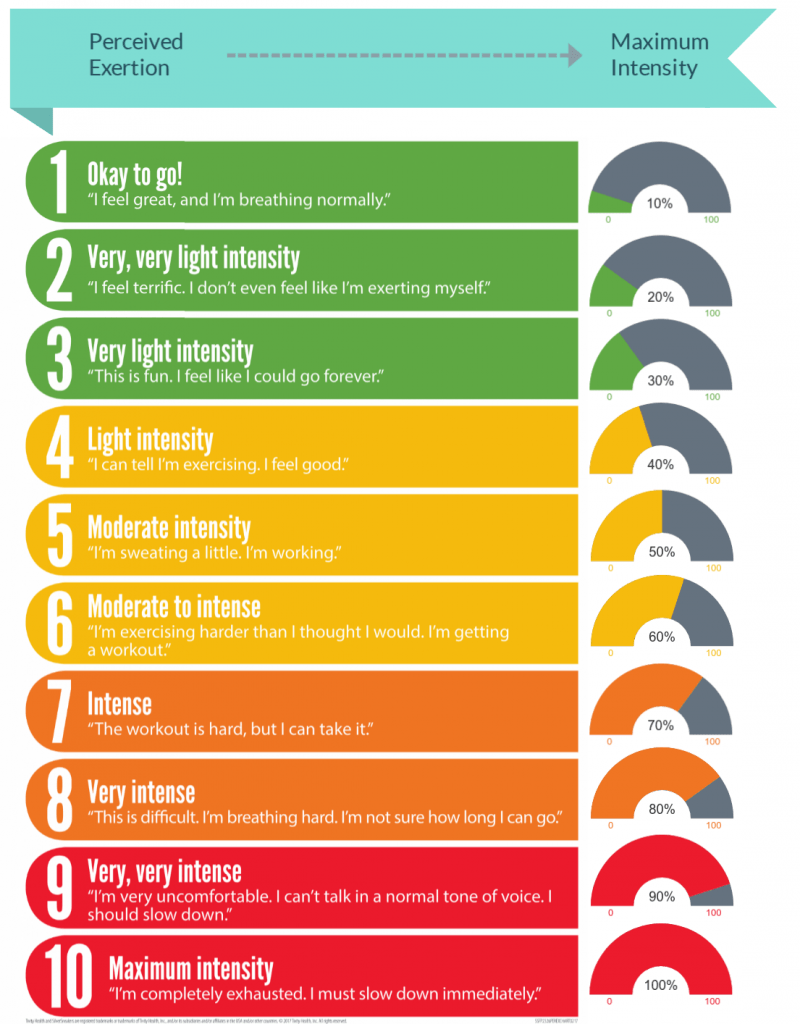
The SilverSneakers perceived exertion chart is an excellent tool to help participants know if they are working at an appropriate and effective resistance level for the tool and exercise they are using on any given day. Choosing a resistance that allows eight to 12 repetitions at a perceived exertion level between five and seven is appropriate for building muscular strength and endurance in older adults. This intensity correlates to a percentage of maximum intensity of 50 to 70 percent. This is the recommended target to increase muscle mass and strength (Law T, Clark L, Clark B; 2017).
Maximum intensity is measured at the heaviest load that can be exerted for one repetition of an exercise. Higher intensity resistance training is associated with greater improvements in muscle strength (Law, Clark, Clark; 2017). With each incremental increase in exercise intensity from low to moderate to high, a five percent gain in strength has been measured (Law, Clark, Clark; 2017). Increasing the perceived exertion of the resistance exercise may stimulate a strength gain in your SilverSneakers class participants.
Low intensity
50-59% maximum intensity
Low to moderate intensity
60-69% maximum intensity
Moderate intensity
70-79% maximum intensity
High intensity
>80% maximum intensity
To increase achievability and movement understanding, it is recommended to introduce an exercise at a slower tempo of two to four repetitions, followed by eight to 12 repetitions at varied rhythms and exiting the exercise with an appropriate isometric pulse variation that allows for a smooth transition into the next exercise.
Below is a review of the SilverSneakers tools:
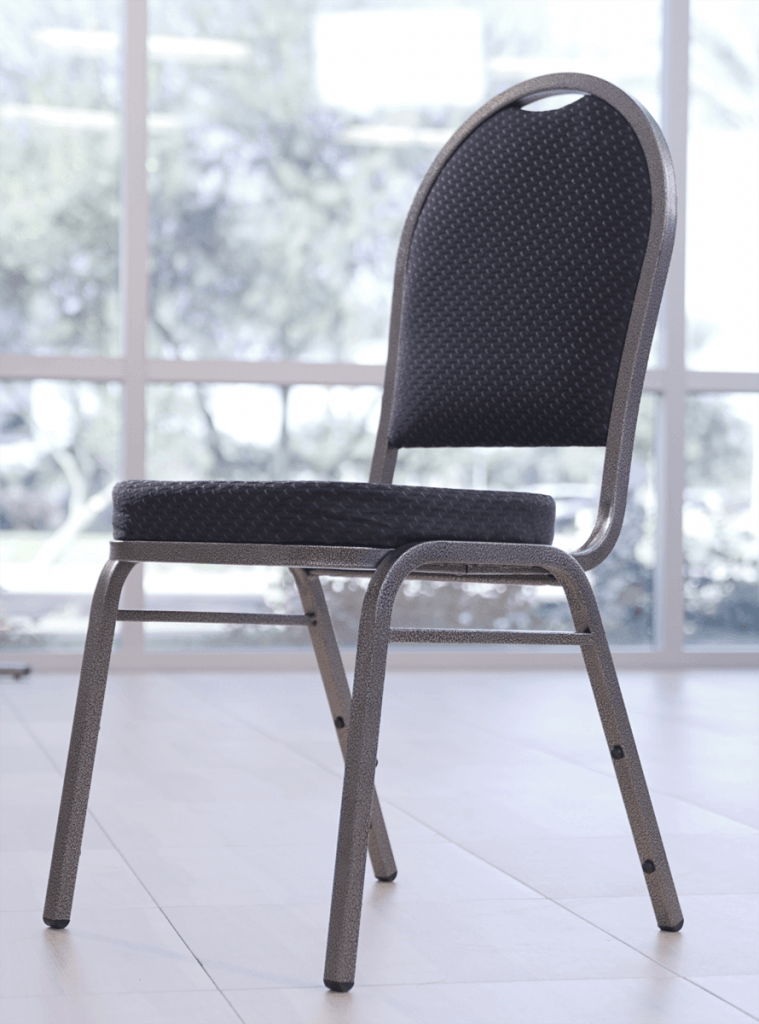
Chair (Classic; Circuit; Yoga; Stability)
Seated options
Standing support
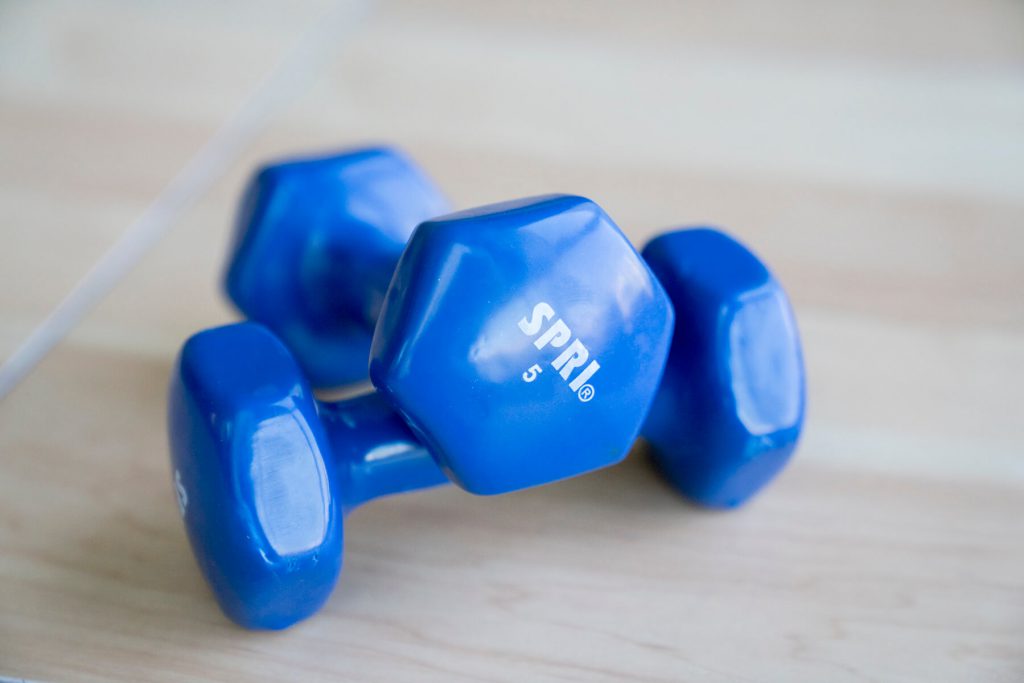
Handheld weights (Classic; Circuit; BOOM MUSCLE)
Generally, one to 10 pounds
Lighter weights (one to three pounds) are more appropriate for:
new participants
participants managing an illness or injury
post recovery
Most women will feel comfortable working with three to eight pounds
Most men will feel comfortable working with five to 10 pounds
Heavier weights (more that eight pounds) should be monitored for good posture, form and proper exercise execution through full range of motion for the tempo
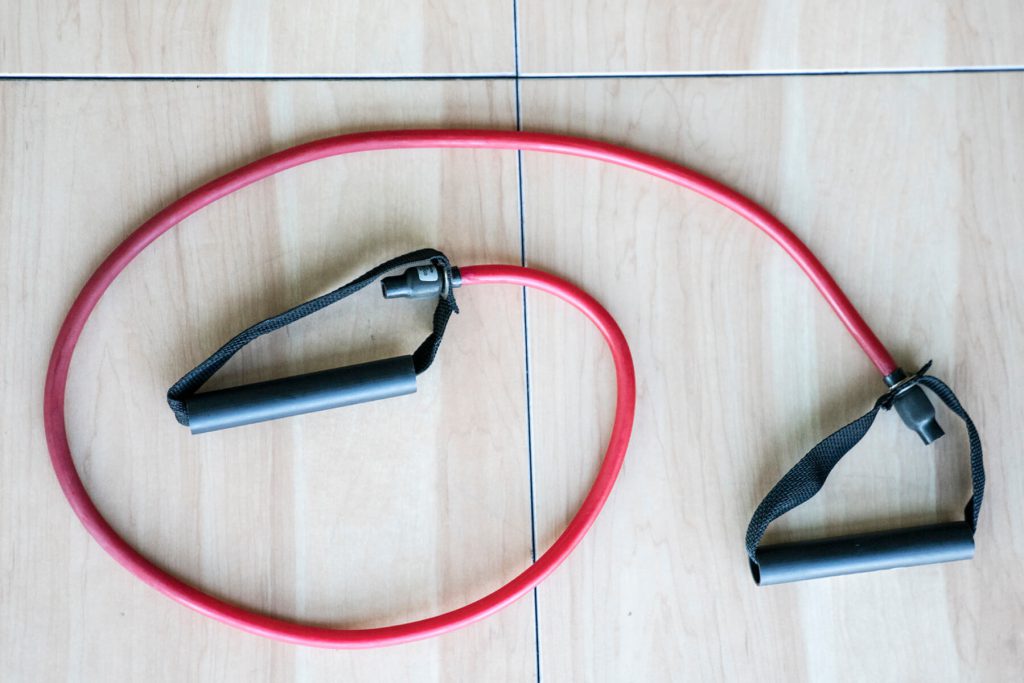
Elastic tubing with handles (Classic; Circuit; Yoga)
If class participants are completing an exercise set with ease, encourage them to consider increasing the weight. It doesn’t have to be difficult or uncomfortable, but to provide effective and progressive training, there should be effort. Training effort will be discussed in the next lesson.