
Everyone feels pain from time to time. Pain is a common symptom of thousands of injuries, diseases, disorders and conditions one may encounter. Pain is defined as, “an unpleasant sensory and emotional experience associated with actual or potential tissue damage” (Raja, S. N., Carr, D. B., Cohen, M., Finnerup, N. B., Flor, H., Gibson, S., … & Vader, K., 1939).
Acute pain occurs when you have a sudden injury, such as a cut to your skin and it lasts for a short period of time. Chronic pain is discomfort that lasts for over three months.
As we age, it is increasingly common to experience pain associated with diabetes, cancer or surgery. Pain can also result from a variety of chronic diseases such as the following for example:
- Congestive heart failure
- Renal disease
- Pulmonary obstructions
- Cancer pain near a tumor
Individuals may also experience discomfort with the following:
- Arthritis or joint pain
- Back or neck pain
- Headaches, including migraines
- Testicular pain (orchialgia)
- Fibromyalgia, muscle pain all over
- Lasting pain in scar tissue
What Causes Chronic Pain?
There are many causes of chronic pain. Injuries and diseases can cause changes to the body that leave it more sensitive to pain. These changes can linger even after the body has healed from the original injury or disease. Something like a brief infection, sprain or a broken bone, which are all acute, can leave an individual with chronic pain.
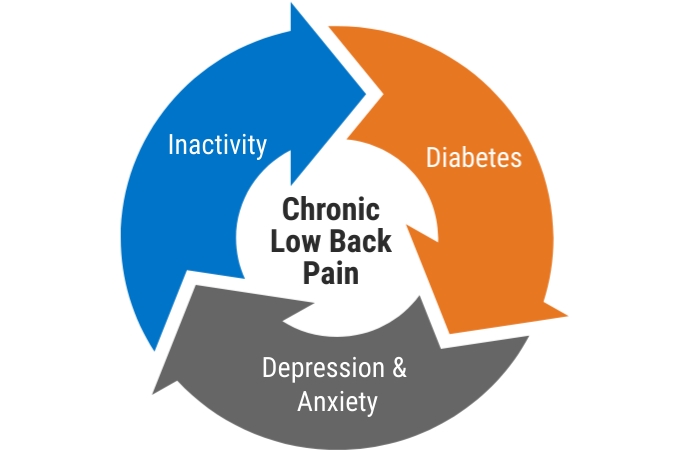
Severe chronic pain can affect mental and physical functioning, quality of life and productivity. When mental health is impacted, it increases the risk for depression and anxiety. Many times, depression and anxiety are caused by a feeling of hopelessness or a lack of control over one’s health. In addition, pain can deter someone from wanting to move and therefore create more pain due to inactivity. Pain caused by one chronic condition could initiate or exacerbate another condition. For example, if an individual has pain due to arthritis or lower back pain, the desire to move and exercise regularly may be limited. With a lack of physical activity, one’s heart disease, diabetes or another chronic condition may develop or worsen.
What is Pain Management?
Pain is not necessarily an expected part of aging, and proactively managing pain can help members live more active and happier lives. Pain can be managed with medications, exercise or alternative therapies (massage, mindfulness techniques or acupuncture). A pain management plan may involve a single approach or a combination. Many older adults benefit from an alternative therapy even if they are taking medication for pain. For the purposes of this training, we will focus on the alternative therapy of mindfulness techniques for managing pain associated with chronic diseases.