Exercise, one of the six Pillars of Brain Health, has been associated with helping individuals maintain strength, balance, and the ability to perform activities of daily living (ADLs). However, few realize how consistent physical exercise can change the brain’s structure and function. Exercise promotes the release of neurotransmitters and hormones that are known to promote the growth of new brain cells and synapses (e.g. neuroplasticity). Furthermore, exercise can prevent or reduce the risk of many health problems that seem to come with older age, which include some of the chronic conditions and diseases associated with declines in brain health (e.g., cardiovascular conditions – stroke, heart disease).
How does exercise improve cognitive health?
Behavioral
Improve mental health, mood, social engagement, and cognition (e.g., attention, memory, recreation time, and planning).
Which type, duration and intensity of exercise is best for optimal Brain Health?
The Physical Activity Guidelines for Americans (2018) state, for substantial health benefits, adults should do at least 150 minutes to 300 minutes per week of moderate-intensity, or 75 minutes to 150 minutes each week of vigorous-intensity aerobic physical activity, or an equivalent combination of moderate- and vigorous-intensity aerobic activity. Preferably, aerobic activity should be spread throughout the week.
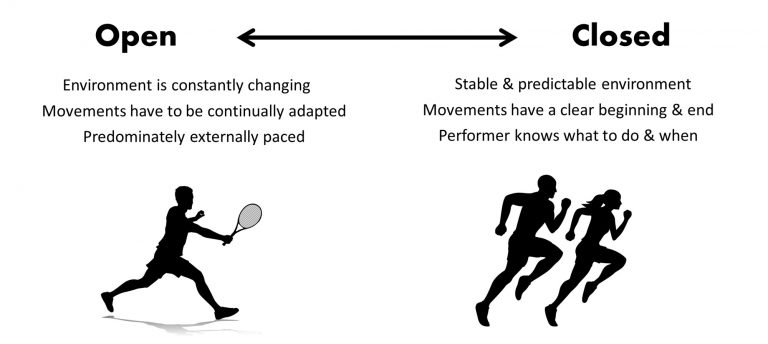
Cognitively engaging exercises appear to have a stronger effect on brain health than non-cognitively engaging exercises. Exercises that train and challenge diverse executive functions like dance, martial arts, tennis or other sports that require us to react, plan, think, and organize in response to an external stimulus.
Movement skills that are open, meaning the environment is constantly changing and the exerciser must constantly adapt (e.g., group exercise), are likely to be more cognitively demanding than a closed exercise where the exercise and movements are predictable (e.g., running, swimming), with the exerciser knowing what to do next. When it comes to brain health, it’s important to include exercises that are new, cognitively stimulating and demanding, but also enjoyable to members.