Grip strength—the force exerted when you grasp or hold objects—extends far beyond simple tasks like opening jars or carrying grocery bags. It has emerged in recent research as a powerful biomarker of overall health, independence, and longevity, especially among older adults.
Studies have consistently shown that weaker grip strength is associated with accelerated aging, decreased mobility, and an increased risk of chronic conditions, including cardiovascular disease and type 2 diabetes. It may even predict a shorter life expectancy.
“Hand grip strength (HGS) serves as a fundamental metric in assessing muscle function and overall physical capability and is particularly relevant to the ageing population. HGS holds an important connection to the concept of sarcopenia, which encompasses the age-related decline in muscle mass, strength, and function. It has also been reported to indicate the health of an individual.”
As people age, maintaining muscle mass becomes more difficult. Grip strength often reflects overall strength, coordination, and neuromuscular health—making it a crucial indicator for maintaining daily function.
Why It Matters in Group Fitness for Older Adults
For group exercise instructors, especially those working with aging populations, incorporating grip-focused exercises into your classes can support:
Daily independence
Reduced fall risk
Improved quality of life
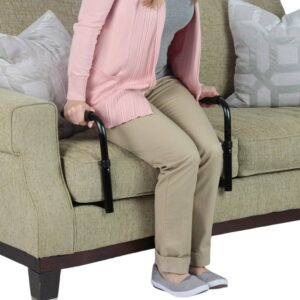
Strong hands and forearms assist with real-life tasks like using mobility aids, rising from a chair, or carrying personal items—critical for preserving autonomy.
Exercises to Enhance Grip Strength
Improving grip strength is highly achievable in both seated and standing SilverSneakers classes. These functional exercises can be easily modified to suit all fitness levels and abilities.
Soft Play Ball Squeezes
How To: Hold a soft play ball between the palms and squeeze firmly for 3–5 seconds. Keep wrists neutral. Repeat 10–15 times.
Class: Classic or Circuit
Segment: Warm-Up or Cool-Down
Soft Play Ball “Pretend Jar Opens”
How To: Mimic the motion of twisting a jar lid or use a rolled-up towel to engage wrists, hands, and forearm muscles.
Class: Classic or Circuit
Segment: Warm-Up or Cool-Down
Farmer’s Carry (Seated & Standing)
How To: Carry light hand weights while walking short distances or remain seated and focus on posture and grip activation.
Class: Classic or Circuit
Segment: Strength Segment or Cool-Down
Wrist Curls with Light Dumbbells
How To: While seated, flex and extend the wrists using light weights. Emphasize control and breathing.
Class: Classic or Circuit
Segment: Strength Segment
Bonus Tip: Don’t Forget the Neck!
Did you know that tightness in your neck and shoulders can impact your grip strength? The nerves that control your hands and fingers originate from the C5–T1 vertebrae in the neck. When these areas are tight or restricted, it can lead to:
Numbness or tingling
Weakness in the hands
Decreased coordination
Adding simple mobility exercises to release tension in the neck and upper back can improve nerve function and, in turn, support better grip. Consider including:
Neck rolls
Chin tilts
Head tilts
Shoulder rolls
Scapular clocks
These movements improve posture, reduce nerve compression, and allow better signal flow from the neck to the hands. Instructors can include these exercises as part of the Warm-Up or Cool-Down for added benefit.
Integrating Grip Training into SilverSneakers Classes
Grip strength doesn’t need to be a stand-alone focus—it can be naturally integrated into almost any signature format:
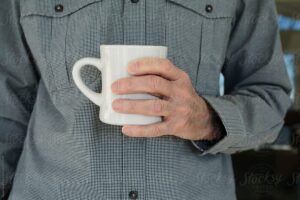
✔️ Use hand-held equipment like soft play balls, resistance bands, and light dumbbells ✔️ Cue participants to “squeeze and engage” instead of loosely holding equipment ✔️ Add hand and finger stretches or massages during the Relaxation segment ✔️ Play coordination games—like passing objects or mimicking everyday tasks ✔️ Emphasize real-life relevance—like holding a coffee mug or turning a doorknob
A Small Grip with Big Benefits
As a group exercise instructor, you play a key role in helping participants preserve their strength, confidence, and independence. Prioritizing grip strength not only boosts physical ability—it also supports brain health, nerve function, and longevity.
Encourage regular practice, make it fun, and celebrate progress. After all, stronger hands can lead to stronger, more independent lives.