In this lesson you will learn how to define high-risk movement for the older adult population and how to mitigate risk during a SilverSneakers Classic class.
Focus on how to avoid high-risk movement.
Learn to create beneficial exercise options that mitigate risk.
In order to make SilverSneakers Classic classes both effective and safe, we have created a list of exercises to avoid. Although these exercises may also be high risk for other classes you teach, this specific list was created with SilverSneakers members in mind. The following checklist of high-risk movements for Classic is not exhaustive and does not include every high-risk movement that can be executed. While these movements should be avoided, continue to apply risk vs. benefit exercise selection principles when choosing movement and exercise options for your Classic classes.
High-Risk Movements to Avoid
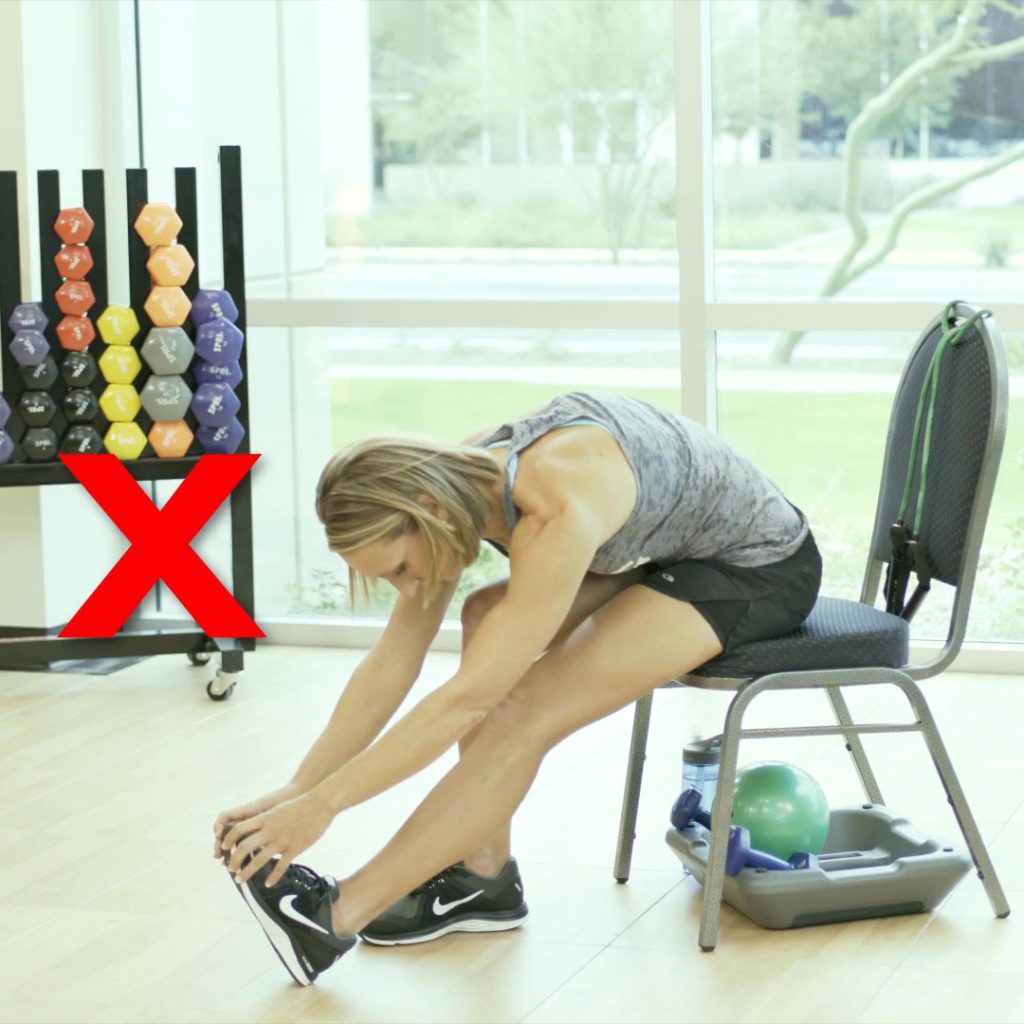
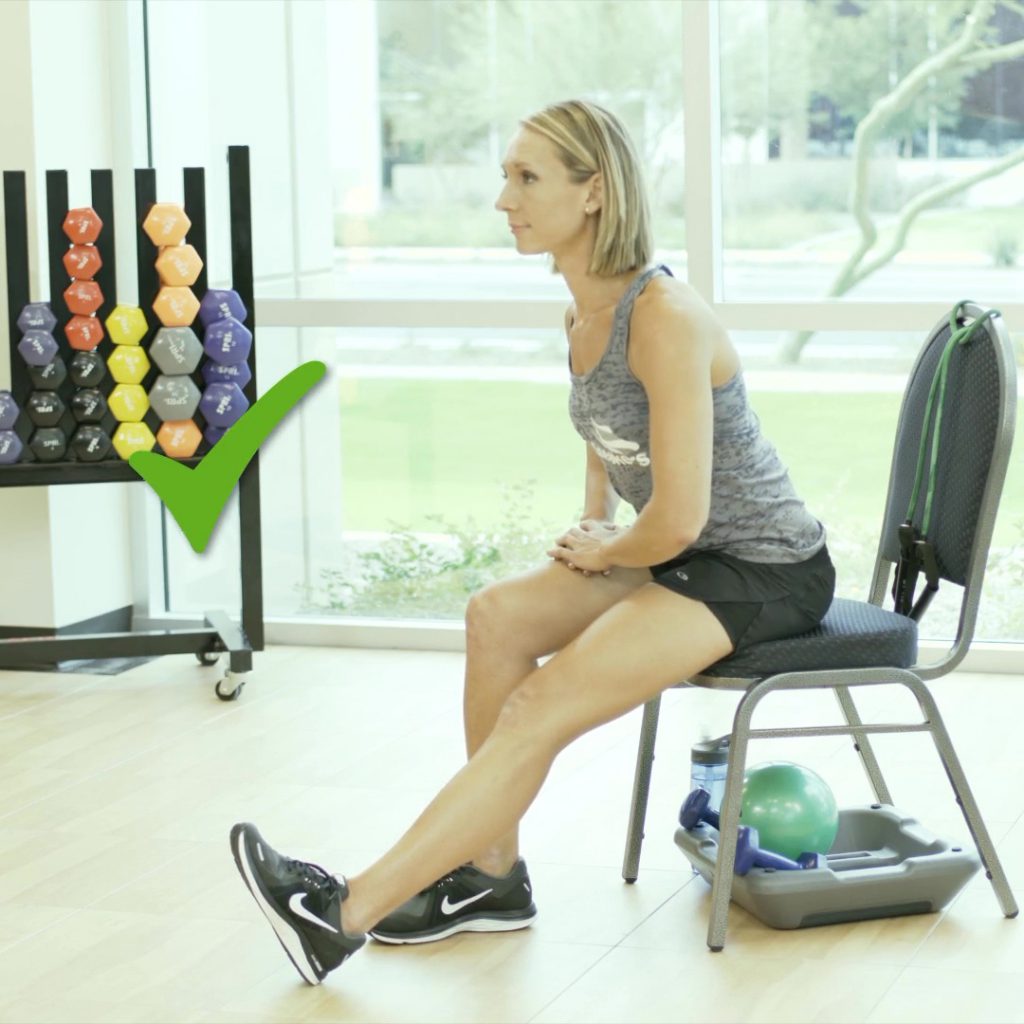
Avoid seated forward flexion at the hip greater than 45 degrees – Hinge forward no further than halfway, or 45 degrees, when in a seated position. Forward flexion greater than 45 degrees while in a seated position creates a great deal of strain on the low back, especially for those individuals with bone density issues or who already experience low back pain.
The number one complaint of pain for those who are 65+ is back pain.
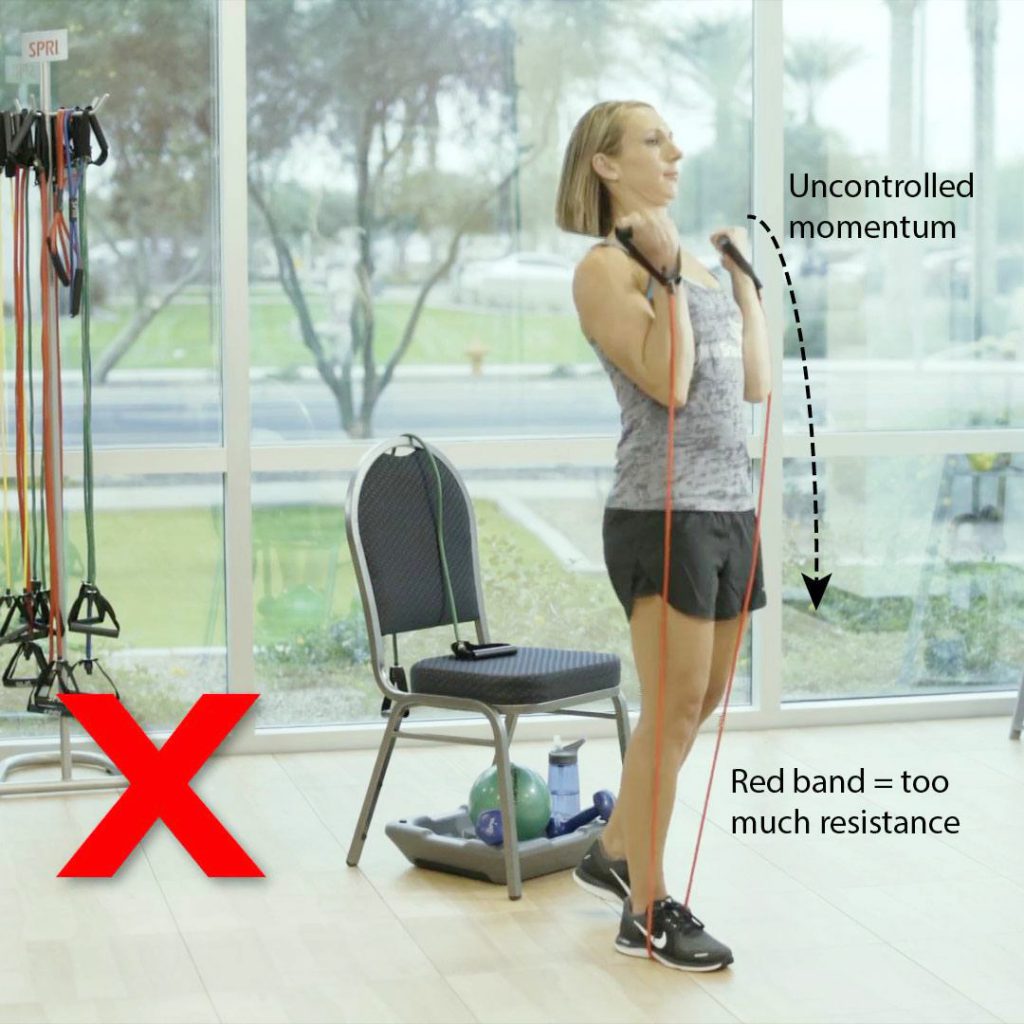
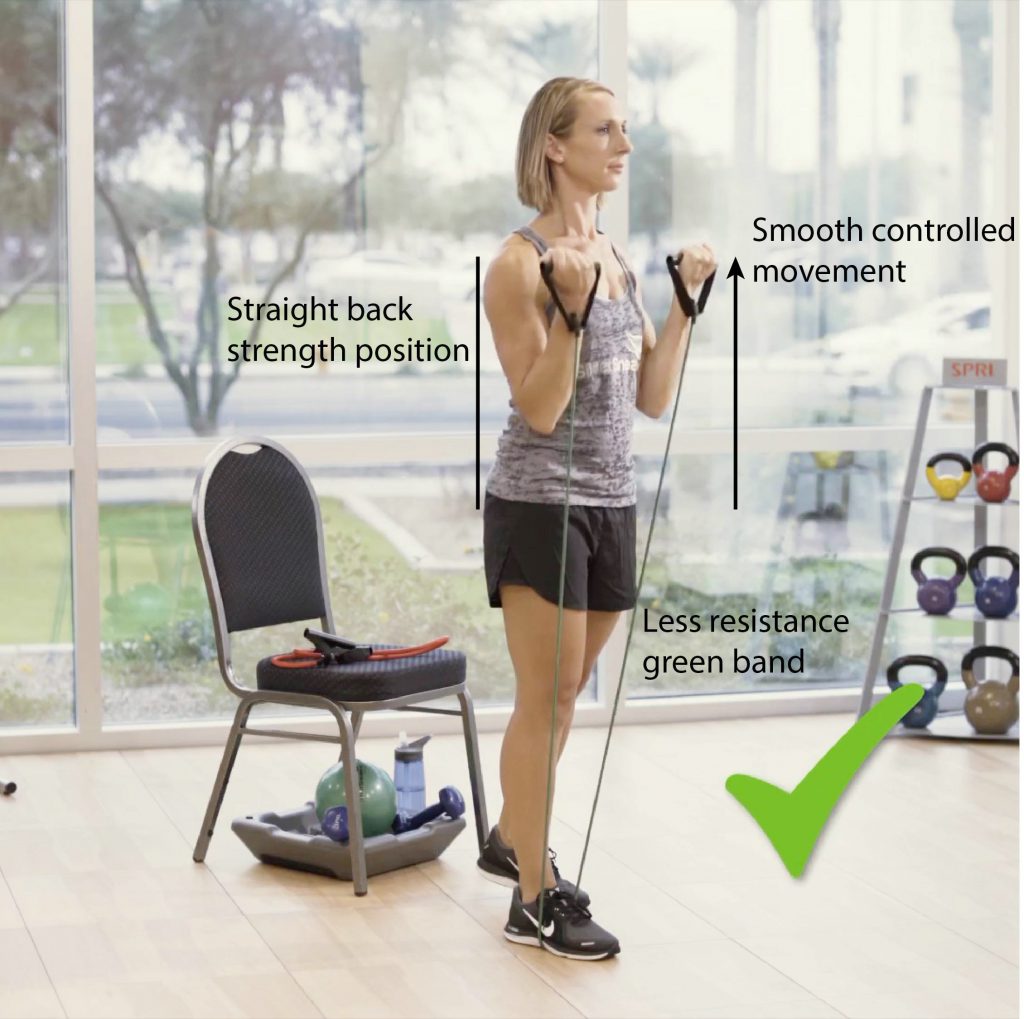
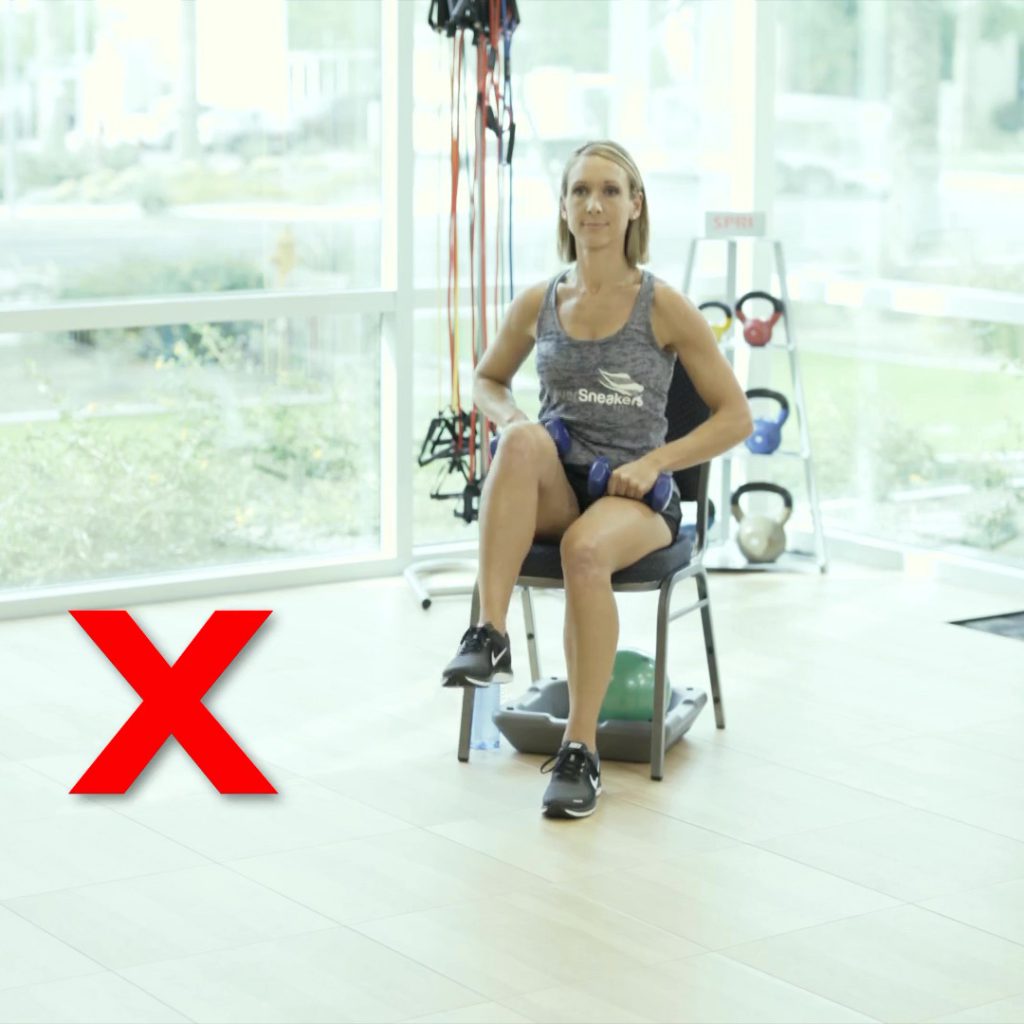
Avoid using momentum to perform movement – Avoid using momentum as it relates to a full range of motion. Always move with control.
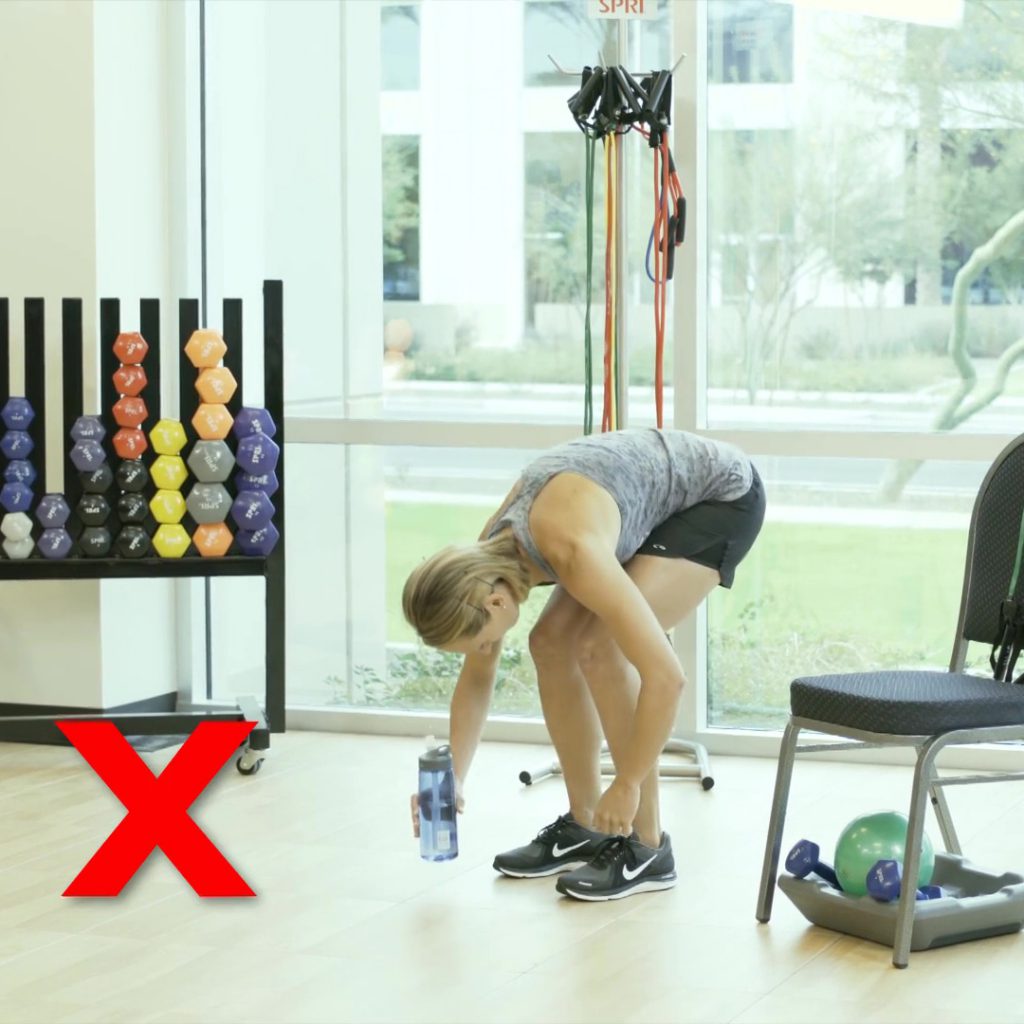
Common when reaching to the floor.
Avoid inversions – Make sure to avoid movements where the head goes below the heart during your Classic class. In order to keep your class participants safe, always transition them to a seated position first before retrieving water or equipment from under the chair. From a seated position, cue “step out to the side, then lean to the side”, making sure to support with the opposite arm in order to retrieve items in a safe manner. Additionally, avoid bringing the head below the heart as it can cause a rapid change in blood pressure. Inversions are considered very high risk for those with high blood pressure or heart disease as well as for individuals with some eye issues such as glaucoma or retinal detachment.
Avoid overuse – Overuse is especially common in the hips and shoulders. Generally, the shoulders are engaged in upper-body resistance training movements, so it is important to alternate upper and lower body movements to avoid overuse of that joint. The SilverSneakers repetition recommendation is to perform no more than one set of movement of 24 repetitions maximum for each exercise utilizing each muscle group. Staying within this guideline will help keep your SilverSneakers members safe and free from overuse syndrome.
Greater than 24 rep/set with no variation.
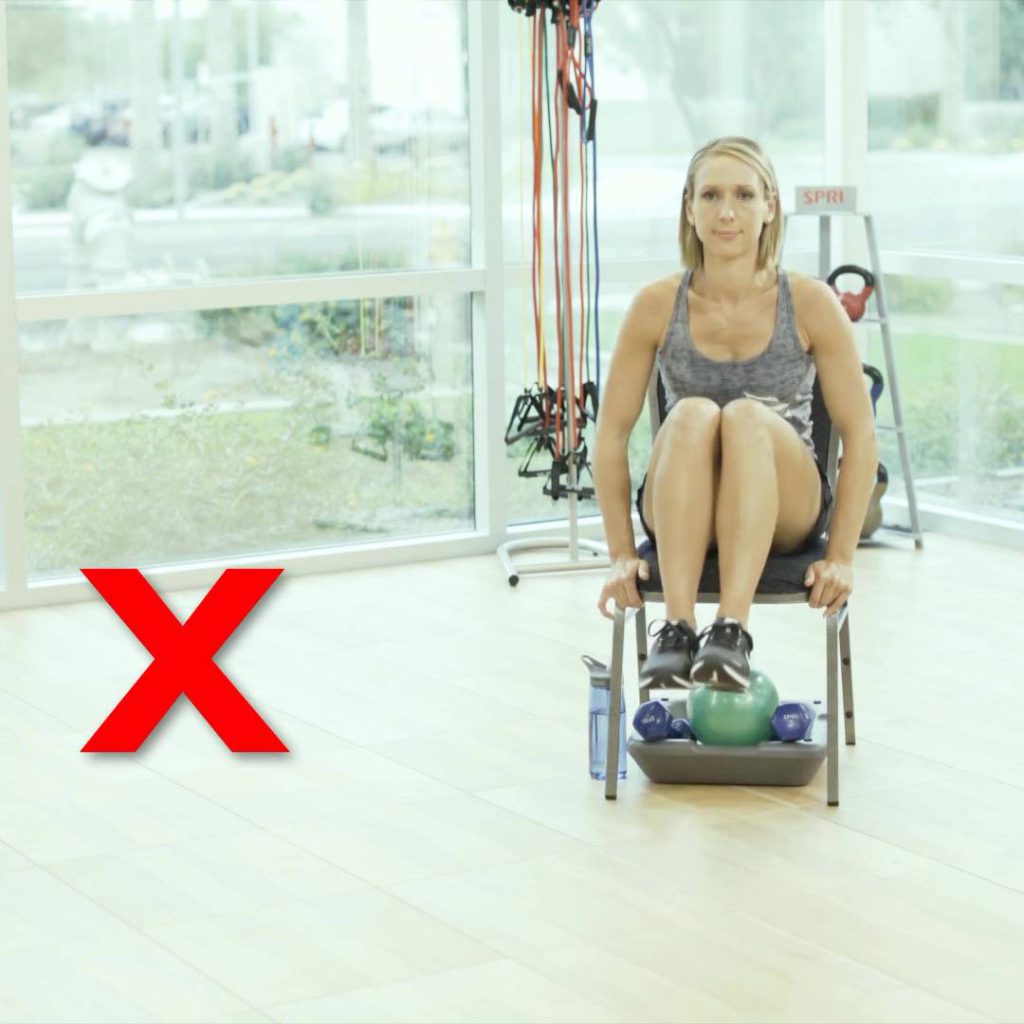
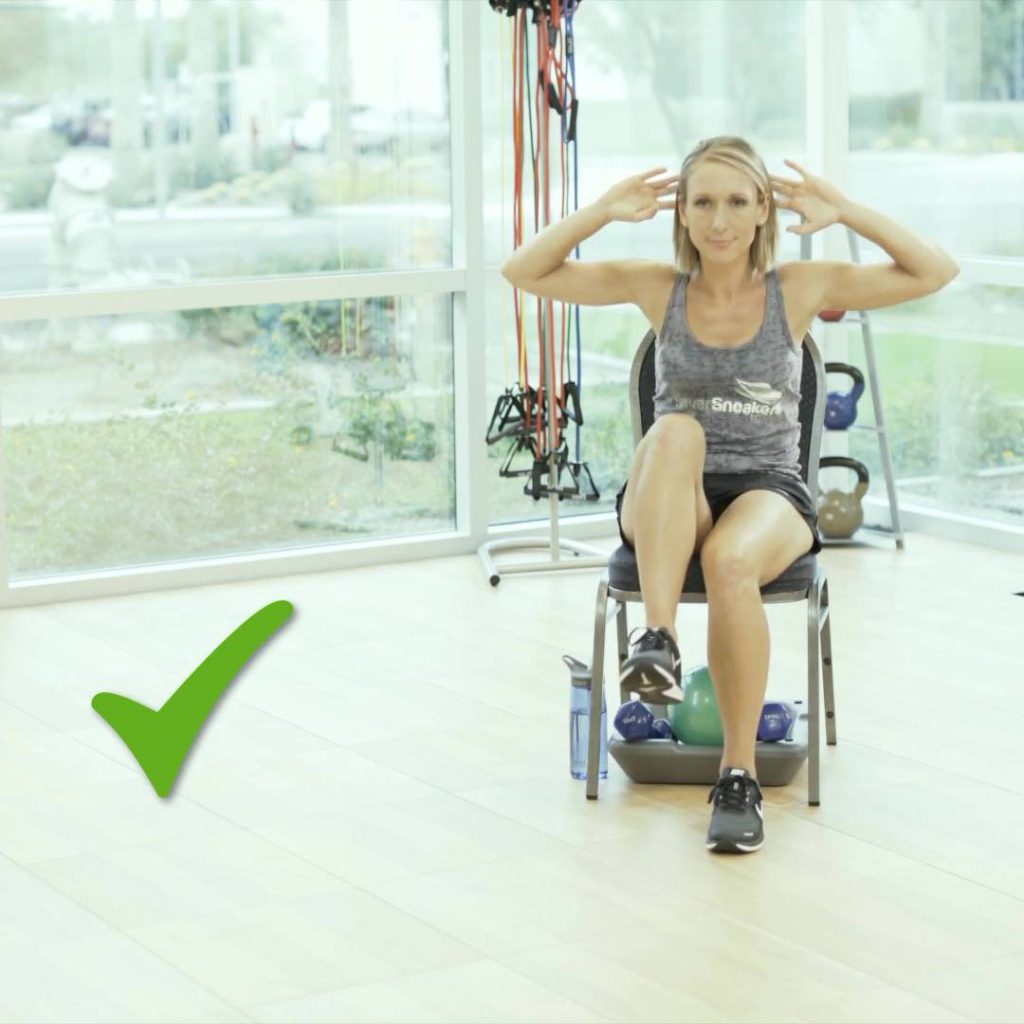
Avoid seated exercises where both feet are unsupported off the floor – Because there is no option for floor work in SilverSneakers Classic, instructors must be creative providing exercises that strengthen the core. While performing any movements, including core exercises, from a seated position, avoid lifting both feet off the floor at the same time. The lack of support caused by elevating both feet simultaneously off the floor can cause participants to lose their balance as well as creating the potential for injury to the low back. A creative option might include keeping one foot supported on the floor or on the SilverSneakers ball while lifting the other leg to strengthen the core. Again, be creative with your options, but choose safety over creativity.
Avoid excessive flexion, extension and movement at the joints – Be aware of joint position, avoiding any excessive movement or forced movement. Additionally, avoid outside force on any joint including movements like wall push-ups or push-ups on the chair. Both of these exercises are weight-bearing movements that apply excessive force on an extended wrist. Keep your joints in a safe position and avoid using force.
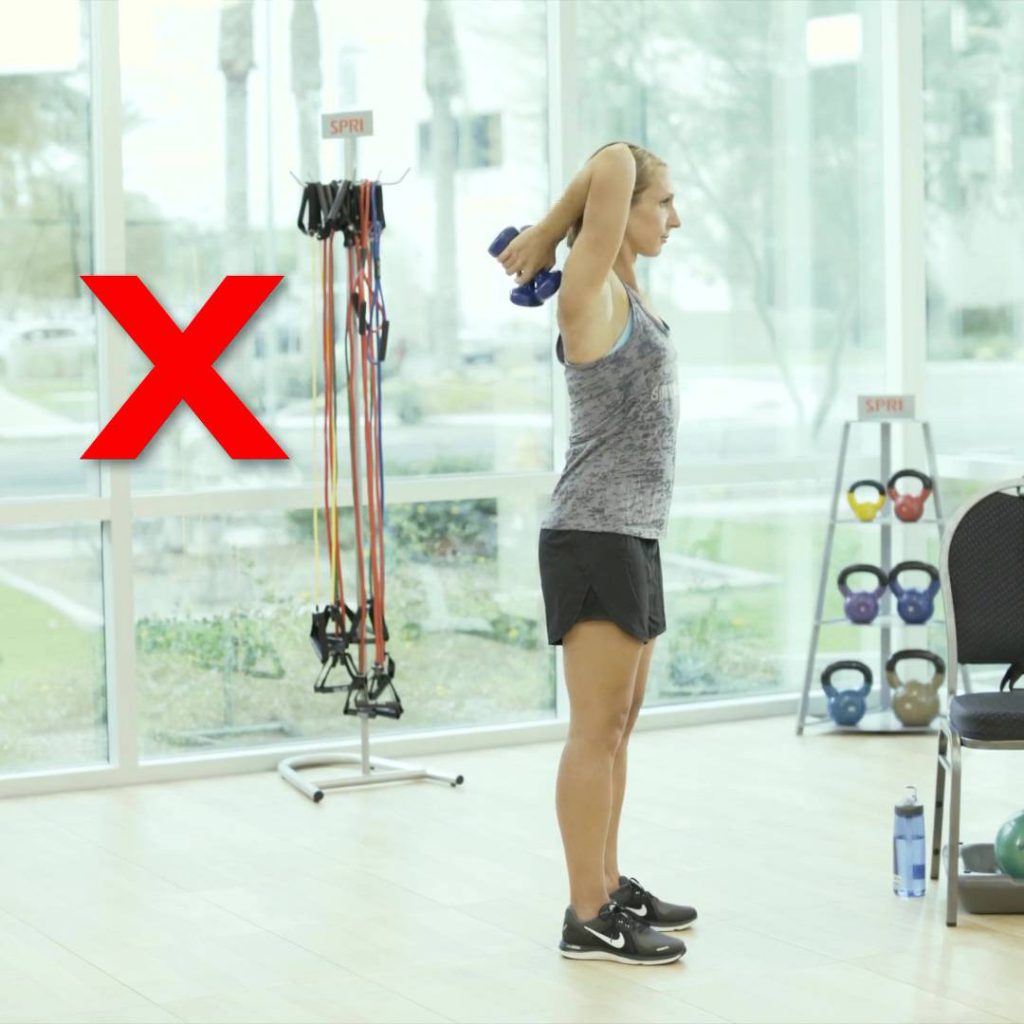
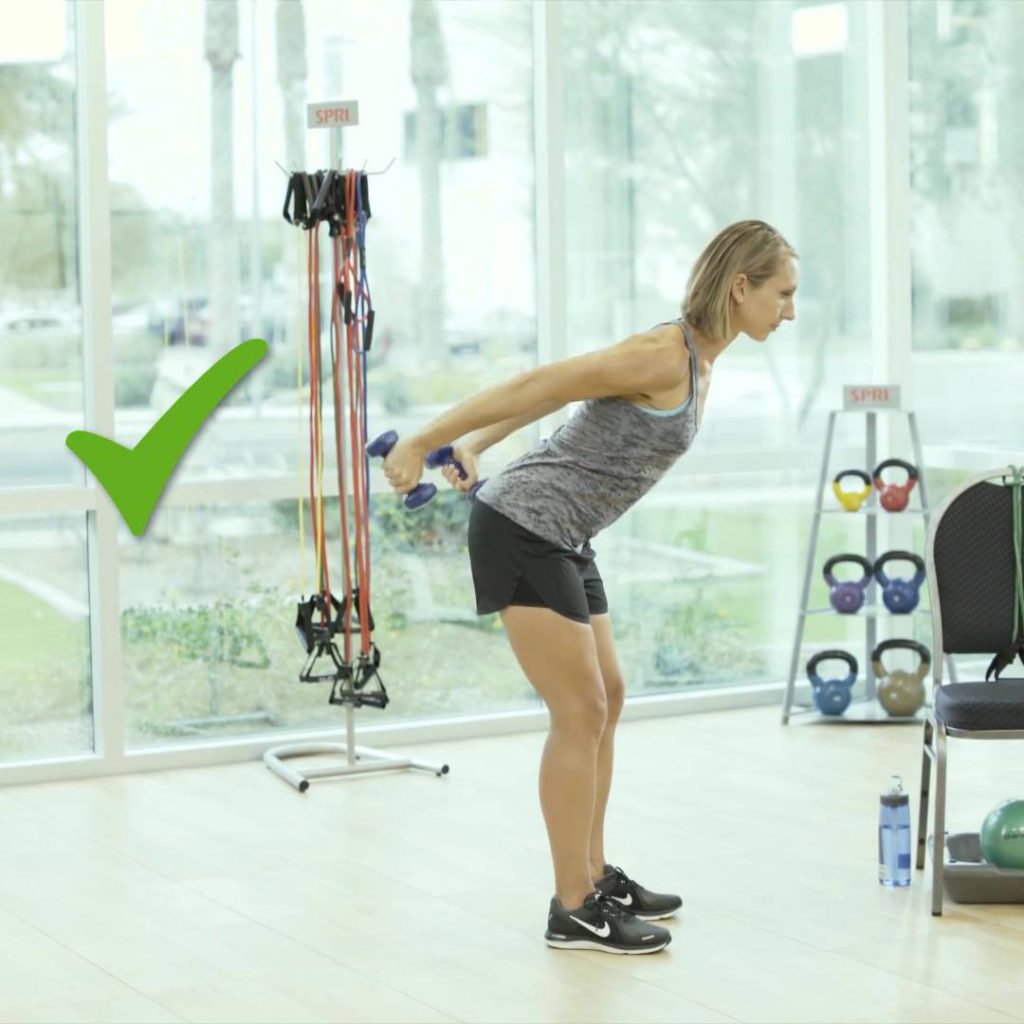
Avoid double-arm overhead triceps extension with hand-held weights – Shoulder impingement is the most prevalent shoulder diagnosis, accounting for 40 – 65 percent of all reported shoulder pain. (Clark, Lucett, & Sutton, 2014). Many older adults suffer from this condition. For the body to effectively perform a double-arm triceps extension with hand-held weights, because of the gravity-resisted nature of this tool, the shoulder must be in close to 180 degrees of flexion to apply force in the correct direction. Because shoulder range of motion is limited for a large segment of the older adult population, a safer alternative, such as triceps kickbacks with weights or tubing, can be more beneficial to participants.
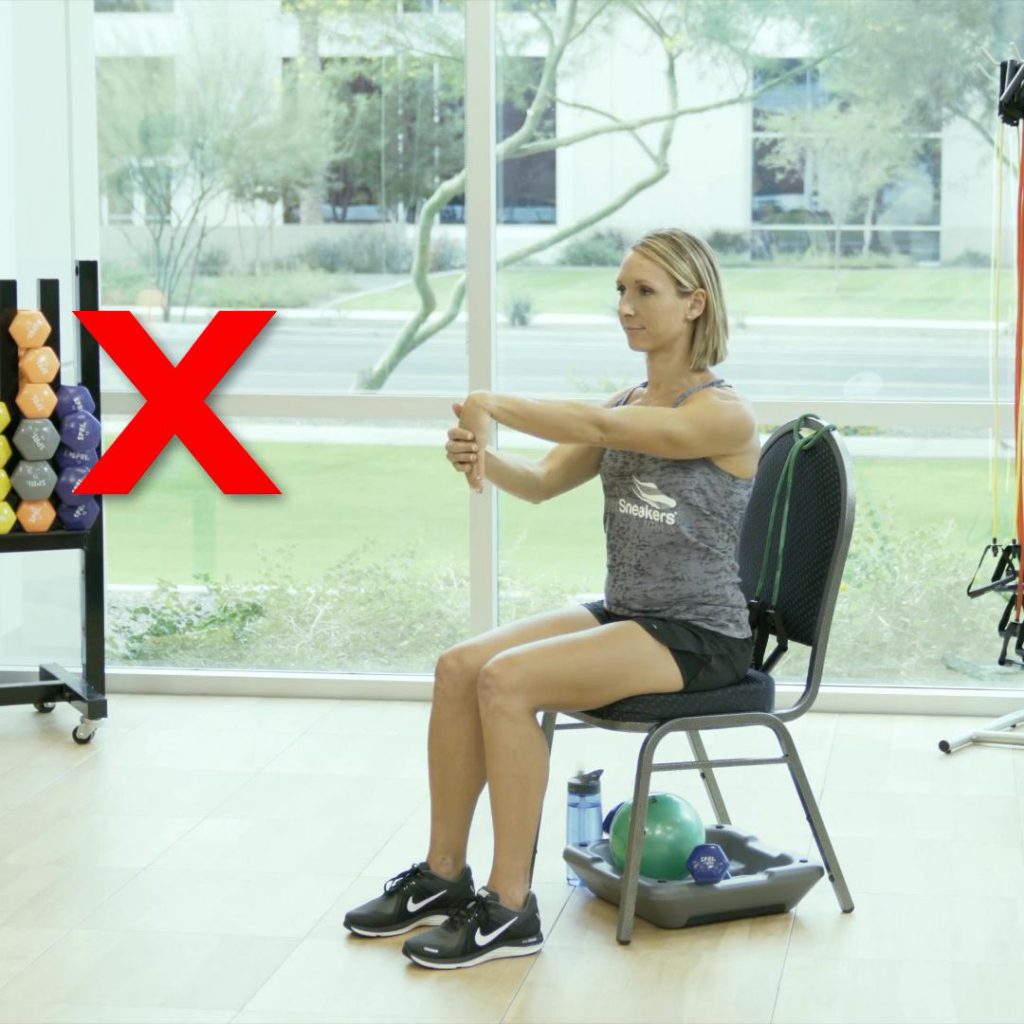
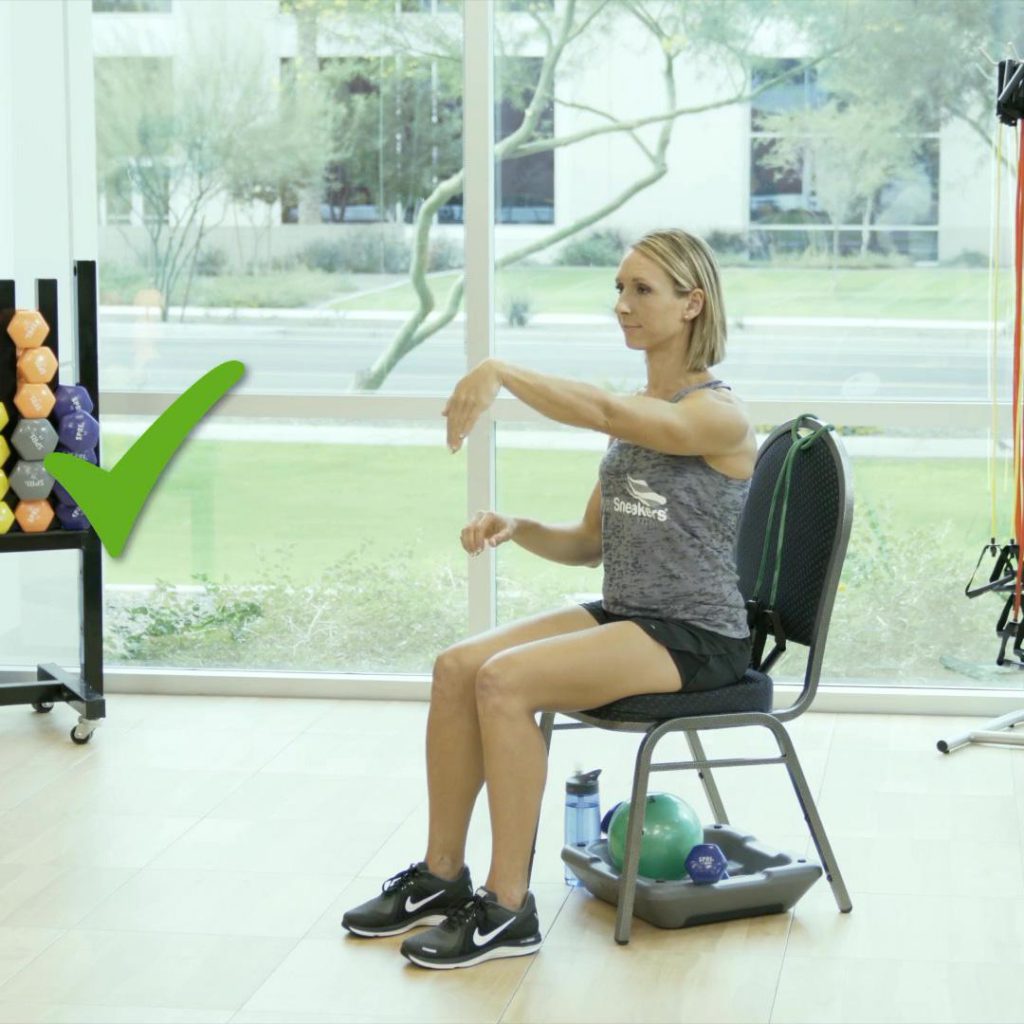
Teach a modified isometric exercise option instead of a true isometric hold – The SilverSneakers-style isometric movement is a small range of motion pulse instead of a sustained contraction or “hold”. True isometric contractions or holds can encourage breath holding which, in turn, may elevate blood pressure in class members. High-risk isometric exercises include movements like wall sits or sustained shoulder flexion in which class members raise arms to the front of the body for an extended amount of time.
Safety Reminders for SilverSneakers Classic Classes
Below are some practical guidance that will help you keep your Classic classes as safe and effective as possible:
Adhere to all safety guidelines in the Classic and Foundations courses.
There is no floor work in SilverSneakers Classic. All exercise is performed in a standing position or in the SilverSneakers chair.
Avoid high risk exercises. Instead, choose movements with the lowest risk possible with the greatest benefit to your students.
Cue class participants to work within their pain-free range of motion.
Repetition recommendation – For many exercises, SilverSneakers recommends one set of “variably paced” repetitions to equal 4 to 8 repetitions at a slow (half-time tempo) rhythm for a rehearsal, 8 repetitions at tempo, followed by 8 repetitions at a double time “pulse” for a total of 20 to 24 repetitions. Use the music to cue for changes in the exercise set. Wait for the music to change at the 8-count phrase and then continue with the set.
SilverSneakers recommends a maximum of eight consecutive repetitions in one set for an overhead exercise performed with resistance.
The SilverSneakers overhead position is up and slightly in front of the body instead of directly above the head. Practicing overhead resistance exercises in the SilverSneakers overhead position will allow and assist in compensating for shoulder impingement.
Work to improve your verbal and non-verbal communication skills. Because of the age-related deterioration that can occur to the visual, auditory and nervous system of older adults, it is of critical importance that SilverSneakers instructors speak succinctly and cue with precise and specific directives without constant filler cues or conversational speech. Enunciate and present movements in a clear visual manner.
Because exercises are performed from both a standing and seated position, all equipment is stored under the chair, out of harm’s way.
Cue and demonstrate correct equipment retrieval. This includes stepping to the side, supporting with the opposite hand and then reaching under the chair using lateral spinal flexion.
Always cue for neutral wrist and shoulders. This position will protect the joints.
Tool are always optional for participants. Instructors must program exercise to include our three signature tools, but because of injury, disability or personal preference, a class participant may choose not to use the tools during Classic class.
Never give medical advice. Instead refer members to a medical professional for questions about discomfort or injuries.
Advise members to follow all physician directives for any chronic condition that requires ongoing care and support from a healthcare professional.