
Preparing for Assessments
Before conducting functional fitness assessments, it is important to prepare both yourself and your participants. Proper preparation ensures the process runs smoothly, participants feel comfortable, and safety remains the top priority. This lesson will walk you through which assessments are included, how to organize your group, and the equipment and safety considerations that support a successful experience.
Assessments Used
To establish a starting point, this program includes two assessments:
- The 4-Stage Balance Test – observes how well participants can hold static balance positions that progressively become more challenging.
- The 30-Second Chair Stand Test – counts the number of times a participant can move from a seated position to a standing position in 30 seconds, showing lower-body strength and endurance.
These simple checks provide a consistent framework for tracking change across the program.
Group Administration Tips
- In a class of up to 30 participants, the assessments can typically be completed in 15 – 20 minutes.
- You may choose to pair participants together to assist with counting and scoring. For example: Participant A tests while Participant B records, then they switch.
- Administer assessments during the first class of the 12-week program or at the start of a new group exercise class schedule/session. Repeat the assessments at the end of the program, during week 12.
- After assessments, partners should hand scorecards directly to their partner for safekeeping.
- If participants ask about the meaning of their scores, remind them that only their primary healthcare provider can interpret results in the context of their overall health.
- As an instructor, you can highlight a participants’ progress at the end of the program. For example, if your participant completed more chair stands or successfully held all balance positions, they have demonstrated that they are stronger and more stable.
Functional Fitness Assessment Scorecard
- Scores should be noted on the Functional Fitness Assessment Scorecard.
- Ensure that each participant gets their own scorecard back from their partner for safekeeping.
- The week prior to post-testing (week 11), remind participants to bring their scorecard back so new scores can be recorded.
- Encourage participants to think of their scorecard as a personal progress journal, not a test.
Equipment and Supplies
All equipment needed for these assessments should be prepared and accessible before testing begins. Fortunately, the required materials are commonly available in most fitness facilities, community centers, or even home settings.
Assessment
Equipment & Supplies
4-Stage Balance
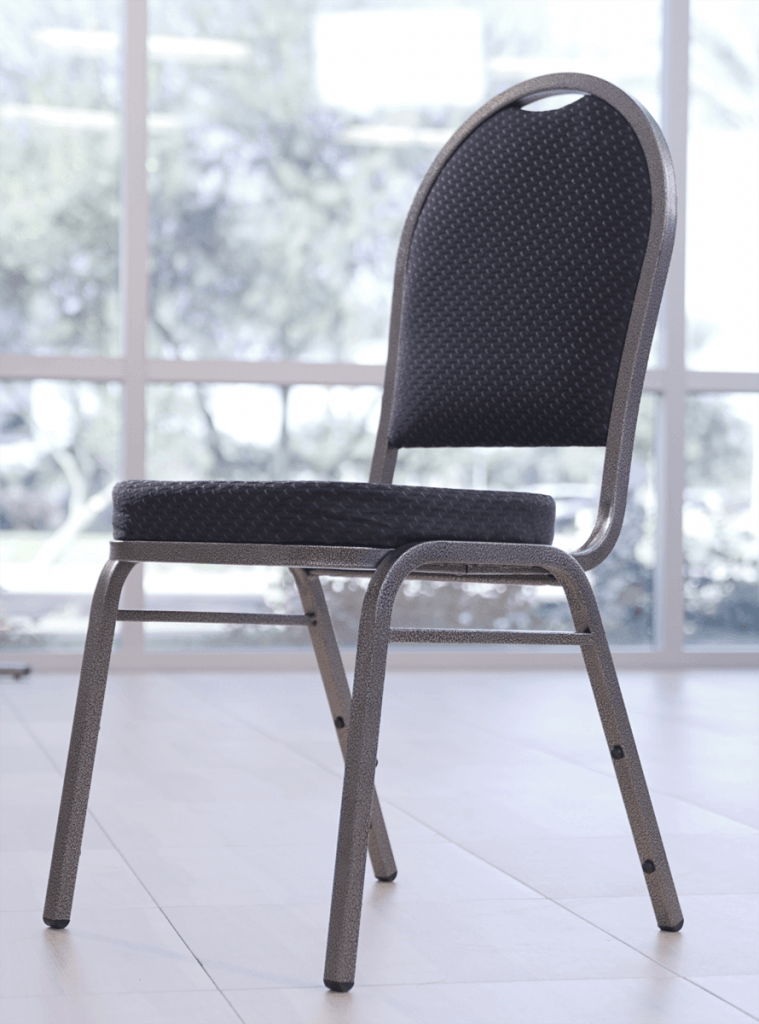
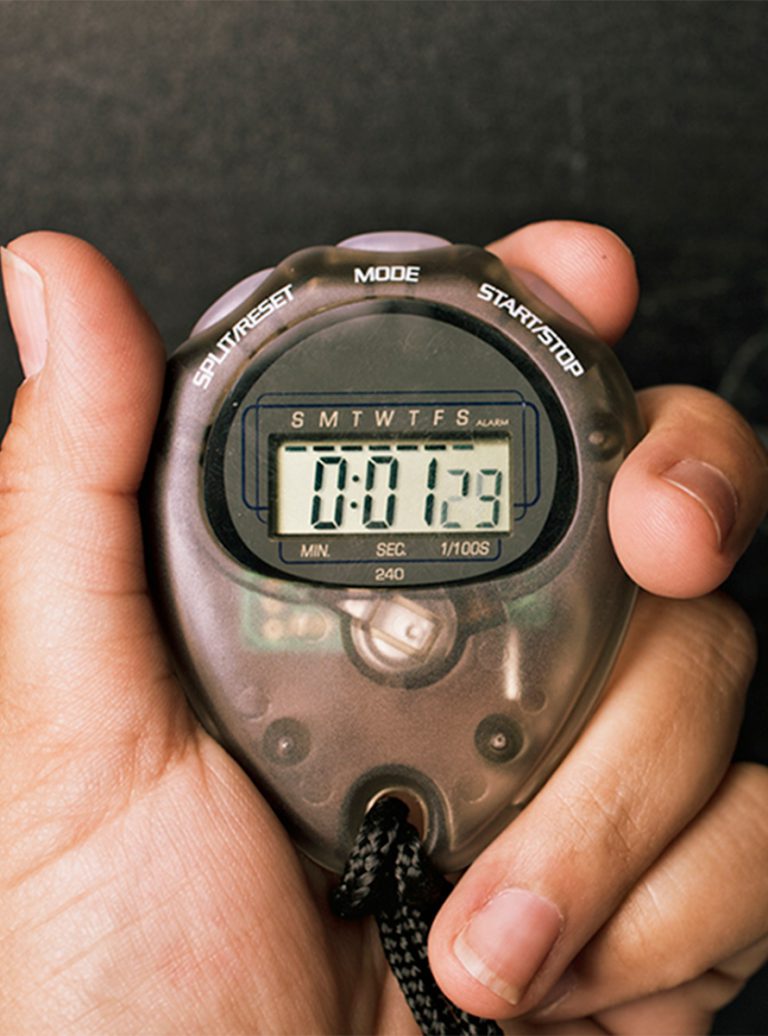
Stopwatch/timer, armless chair for support
30-Second Chair Stand
Stopwatch/timer, armless chair against a wall
Order of Assessments
To ensure accuracy and minimize fatigue:
- Lead participants through a short warm-up.
- Administer the 4-Stage Balance Test.
- Pause so partners can record results and hydrate.
- Administer the 30-Second Chair Stand Test.
This order allows participants to complete the balance assessment while fresh and prevents muscle fatigue from affecting performance.
Signs of Overexertion and Emergency Procedures
Be sure to monitor participants closely for signs of overexertion. If any of the following symptoms occur, stop the assessment immediately:
- Unusual fatigue or shortness of breath
- Dizziness or lightheadedness
- Chest pain or tightness
- Numbness or tingling
- Loss of balance or muscle control
- Pain (in any area of the body)
- Nausea or vomiting
- Confusion or disorientation
- Blurred vision
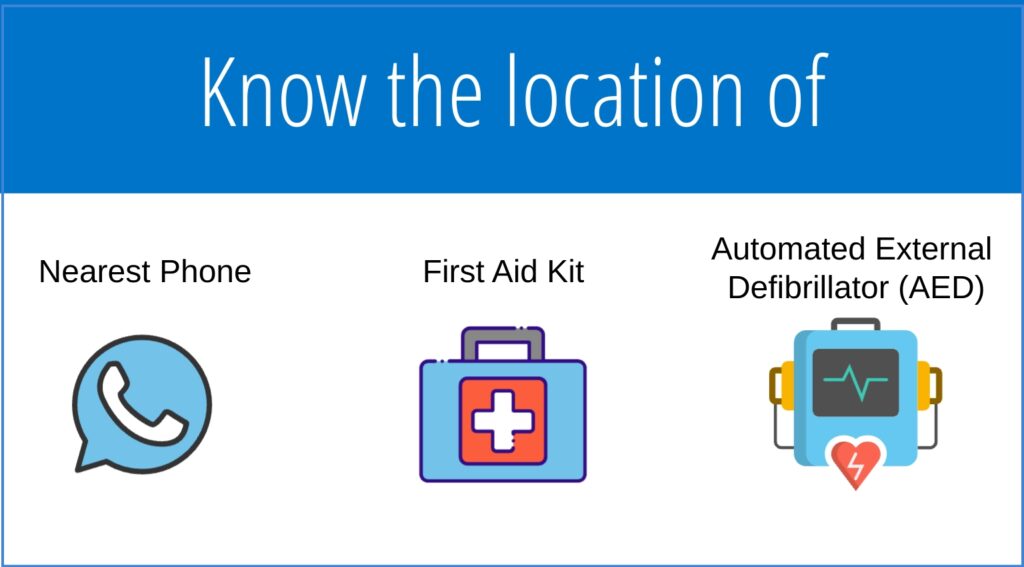
Be sure to familiarize yourself with your facility’s emergency action plan. Know the locations of:
- The nearest phone
- First aid kit
- Automated External Defibrillator (AED)
Being prepared can make all the difference in responding quickly and appropriately in an emergency.
In Summary
By preparing thoroughly and guiding participants with care, you create a safe and supportive experience that sets the stage for accurate, meaningful assessments. In the next lesson, we’ll cover the step-by-step protocols.